 Finance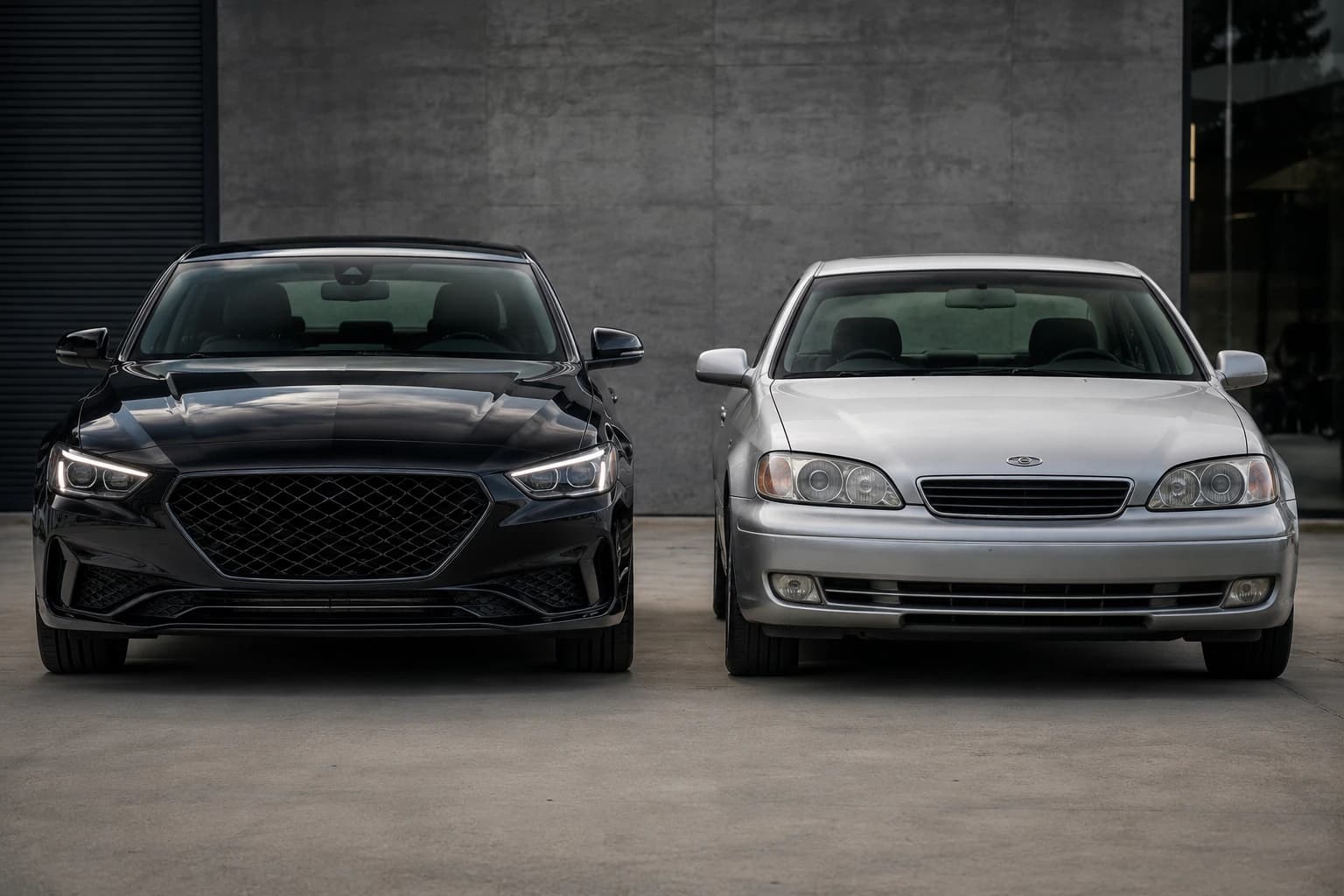
The new vs used decision is one most buyers make based on budget and preference. What's less well understood is that the choice also affects how your finance is assessed, what terms are available, and what the total cost of the purchase looks like over the life of the loan.
Here's a clear breakdown.
Finance Availability
Finance is available for both new and used assets — but the criteria differ.
For new assetspurchased through a dealer, the process is typically straightforward. The asset has a clear purchase price, it's in perfect condition, and the lender has an easy basis for valuation. New asset finance is usually the most accessible form of lending.
For used assets, lenders apply more scrutiny. The age, condition, kilometres, and value of the asset all influence the decision. Each lender has its own policy on how old an asset can be and still be financeable — for some, that's 10 years; for others, it's longer. Specialist lenders exist for older assets where mainstream options aren't available.
Interest Rates
Rates for new and used assets are often comparable, though some lenders offer slightly sharper rates on new assets due to the lower risk profile. The bigger driver of your rate is your credit and income profile, not whether the asset is new or used.
Depreciation
New assets depreciate fastest in the first few years of ownership. A new vehicle can lose 15–25% of its value in the first year alone. This matters for finance because if you need to sell or refinance early in the loan term, you could find yourself owing more than the asset is worth.
Used assets, particularly those that are two to four years old, have already absorbed the steepest part of that depreciation curve — which means the gap between what you owe and what the asset is worth closes more predictably over time.
Warranties and Risk
New assets come with manufacturer warranties, which reduces the risk of unexpected repair costs during the loan term. Used assets may have remaining warranty or can often have a warranty added at the time of purchase — but this varies and is worth checking.
Private Sale vs Dealer for Used Assets
Used assets are commonly purchased privately as well as through dealers. Finance is available for private sale purchases, though the process involves an additional step — the lender will want to verify the asset and ensure the transaction is handled correctly. Finance Worx manages this process and it's entirely straightforward once the right lender is in place.
Which Is Right for You?
New assets offer simplicity, warranty protection, and the latest specification. Used assets — particularly ex-fleet vehicles and equipment — can represent exceptional value, especially when you're in the two-to-five year old bracket where someone else has absorbed the initial depreciation hit.
The finance considerations are worth factoring into the decision, but they're rarely the deciding factor on their own. At Finance Worx we can structure finance for both and help you understand what's achievable before you commit to a purchase.
Explore finance by asset type: personal vehicles, boats, business and commercial. Apply now or contact us to talk through your options.