 Finance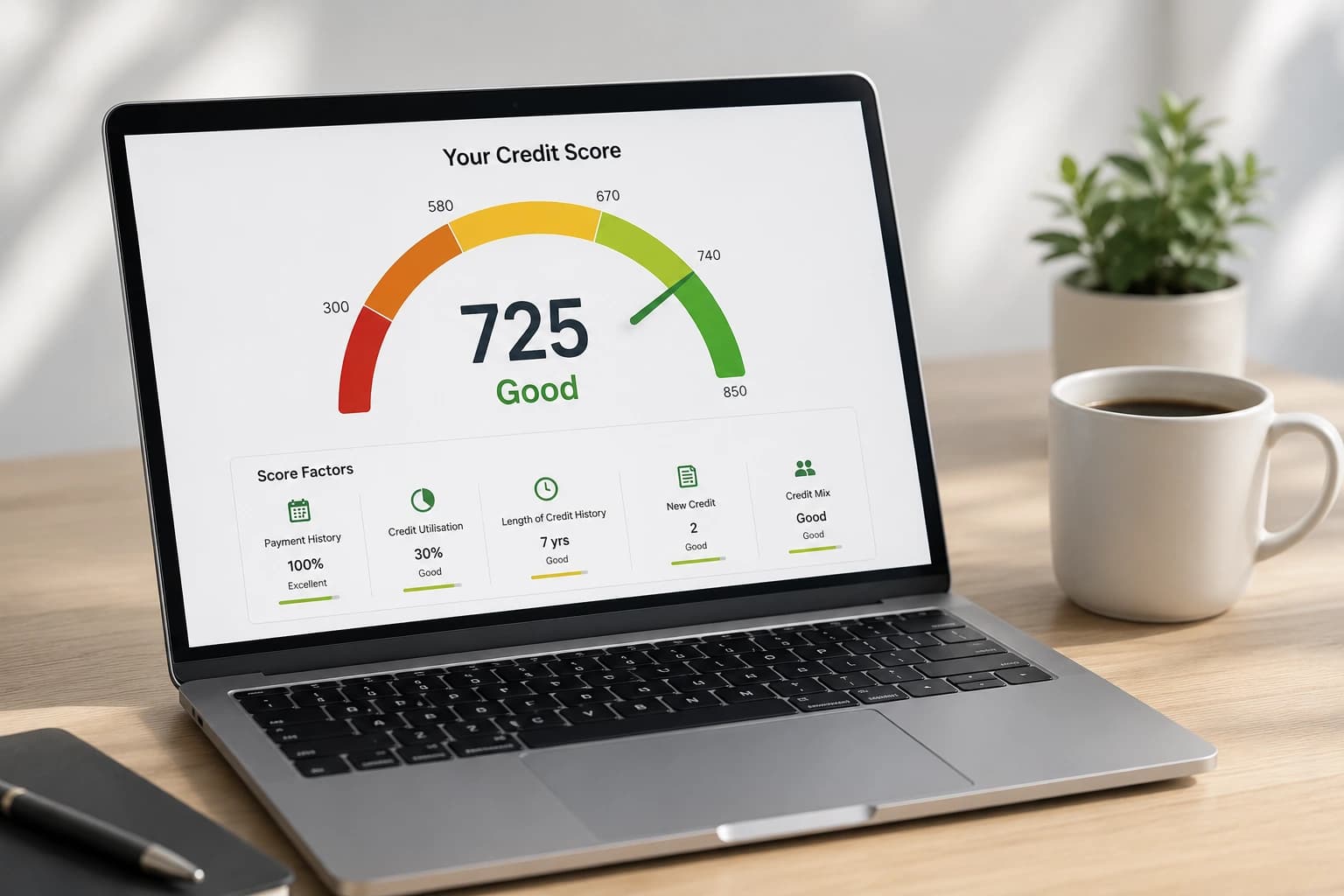
One of the most common questions people have before applying for vehicle finance is whether their credit score is good enough. It's a reasonable concern — but the answer is more nuanced than most people expect.
Here's a plain-English explanation of how credit scoring works in New Zealand, what lenders actually look for, and how to put your best foot forward.
How Does Credit Scoring Work in New Zealand?
New Zealand uses credit reporting agencies — primarily Equifax, Centrix, and Experian (formerly illion) — to compile credit reports and scores for individuals. Your score is based on factors including your repayment history on existing credit, the age and type of credit accounts you hold, any defaults or missed payments, and the number of recent credit applications you've made.
Scores typically range from 0 to 1,000 depending on the bureau, with higher scores indicating lower risk to lenders.
What Score Do You Need for Vehicle Finance?
There's no single threshold. Different lenders have different criteria, and the score required for approval varies depending on the lender, the loan amount, the vehicle, and your overall financial profile.
As a general guide:
- Strong profile (750+): Access to the widest range of lenders and the most competitive rates
- Good profile (600–750): Most mainstream lenders will consider your application; rates will vary
- Below 600: Fewer mainstream lender options, but specialist lenders exist who assess the full picture
It's also important to understand that each credit agency uses a different scoring model — what registers as a lower score with one agency may be a higher score with another. This is one of the key reasons working with a broker makes a difference: at Finance Worx we understand which lenders align best with different credit profiles, so we can match your application to the right place and give you the best chance of a strong outcome.
What Lenders Actually Look At
When assessing a vehicle finance application, lenders consider:
- Income and employment: Can you comfortably service the repayments based on your net income? Stable PAYE employment is viewed favourably, as is consistent self-employed income with documentation.
- Credit history: Not just the score itself, but the detail behind it — one missed payment two years ago is very different from a pattern of defaults.
- Defaults: Whether a default is paid or unpaid makes a significant difference to lenders, as does which credit file it appears on and how recently it occurred.
- Existing commitments: What other loans, credit cards, or hire purchases are you servicing? Lenders assess your debt-to-income ratio against your net income.
- The vehicle: Its age, condition, and value affect how the lender assesses their security.
- Deposit: A deposit reduces the lender's risk and can improve your approval prospects and interest rate.
How a Broker Can Help
Different lenders weight these factors differently. Some are more lenient on credit history if income is strong; others focus heavily on the score. As a broker, Finance Worx knows which lenders are most likely to view your application favourably — and we submit to the right one rather than making multiple applications that each add enquiries to your credit file.
This matters more than most people realise: multiple credit applications in a short period can actually lower your score, because each application is recorded as an enquiry on your file.
How to Check Your Credit Score
You can request a free credit report from Equifax, Centrix, or Experian directly. Reviewing your report before you apply is a good habit — it lets you spot any errors and understand what lenders will see.
How to Apply
If you're ready to explore your options, applying through Finance Worx takes a few minutes online. Our team will assess your full picture and identify the best lender options for your situation. For more on why different lenders make different decisions, see our post on why one lender says yes and another says no.
Personal vehicle finance — apply now or contact us to talk it through first.